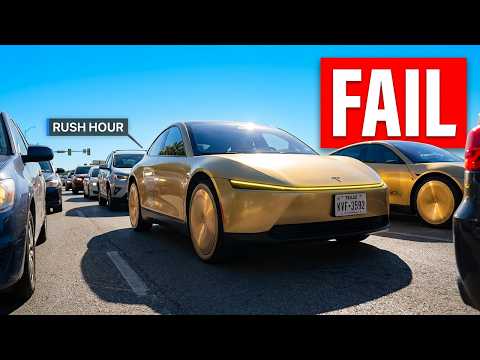
Austin just hit 300 Cybercabs in a single month—an 8x jump that turned 20-40 minute waits into reliable 4-minute arrivals. That speed is why I now pick Tesla robotaxi vs Uber every time, even if it costs an extra $5-10.
Tesla Cybercab Austin expansion
I rode four times in one day after landing. Every trip felt like first-class seating with huge legroom and a massive central screen. The full self-driving system is smooth enough that parking headaches, airport fees, and insurance worries simply disappear.
Check out my earlier sightings post for proof the fleet is already everywhere: https://denniscw.com/blog/cybercab-austin-robotaxi-hunt-sightings
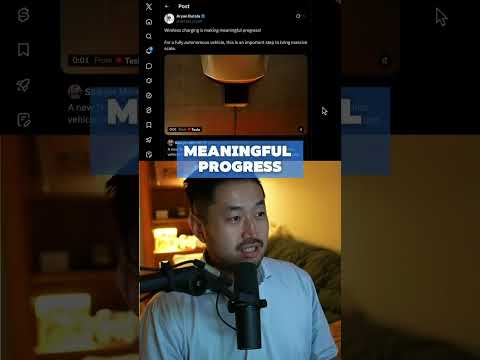
Cybercab new camera features
The biggest upcoming change is on-demand rear and repeater camera views. No more feeling boxed in—tap a button and see exactly what is around you before opening the door. That upgrade will make every ride feel even safer.
Cybercab fleet growth Texas
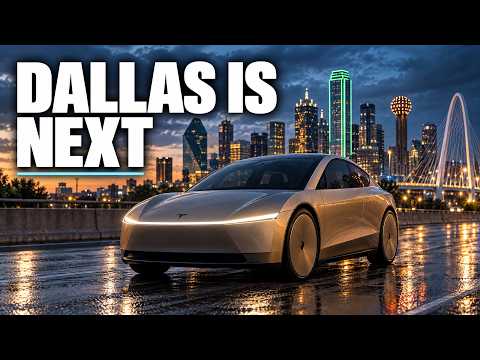
Texas rules make scaling easy, so Dallas is the obvious next market. Once Cybercab feature update Dallas lands, expect the same rapid growth we saw in Austin. After that, California and East Coast cities are likely.
The real-estate angle is huge too—fewer people will need dedicated parking spots at home or work: https://denniscw.com/blog/cybercab-real-estate-impact-parking-homes
Tesla robotaxi vs Uber
At $20 for my last ride, the price already undercuts typical Uber rates. Add zero driver variability and you get why I am ready to pay a premium for the robotaxi experience.
Bottom line: the fleet is scaling faster than anyone predicted. Dallas is next, new camera tools are coming, and the case for ditching personal-car ownership just got stronger.