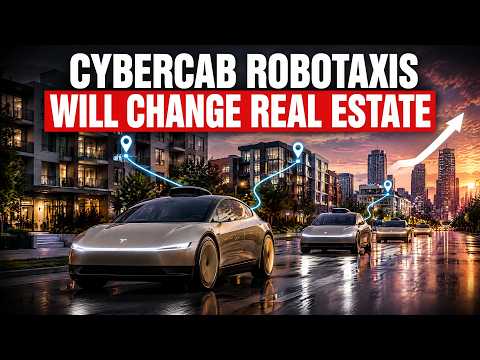
Over half the land in many apartment projects goes straight to parking lots, but CyberCabs could flip that script entirely.
In a recent video I broke down how Barrett's take on the https://youtube.com/watch?v=6qTzlf2sJSQ shows exactly why the cybercab real estate impact hits harder than most people realize. Apartment sites have been locked into massive parking requirements for decades because cities demanded it. Switch to robotaxis and that mandate starts to feel outdated fast.
Robotaxi Parking Reduction Changes Everything
Picture a 67-unit Dallas project where parking eats more than 50 percent of the site. With widespread CyberCab adoption, developers could shrink those lots dramatically. The saved space turns into extra apartments or green areas instead of rows of empty cars. This is the core of robotaxi parking reduction: less asphalt, more livable square footage.
I already see the logic in dense metros where owning a car feels like a hassle. People just summon a ride when needed. That shift directly feeds into cybercab apartment design changes, letting architects prioritize resident space over vehicle storage.
Tesla Cybercab Urban Planning Gets Real
The bigger picture involves tesla cybercab urban planning at the city level. If parking minimums drop, new buildings get taller or denser without adding land. Older lots could be redeveloped into housing. It's the autonomous vehicle real estate future playing out in real time.
Check my deeper dive on the Austin launch economics here: https://denniscw.com/blog/tesla-cybercab-austin-launch-50-cheaper-than-uber. The cost savings make robotaxis even more attractive for daily use, accelerating these land-use changes.
Not Every Market Will Flip Overnight
Still, I have to acknowledge the counterpoint. Suburbs and smaller cities where people love their personal vehicles won't transform as quickly. Folks there might use CyberCabs for errands but keep a car for road trips or status. That means some parking will linger, slowing the full cybercab real estate impact outside major metros.
Even so, the economics point toward gradual adoption. Lower ownership costs and no maintenance headaches add up. Over time, even suburban projects may reduce parking ratios as usage patterns evolve.
My Take on the Autonomous Vehicle Real Estate Future
Bottom line, the cybercab real estate impact feels inevitable in cities first. Developers who plan for robotaxi parking reduction now will win on density and returns. Apartment design changes will follow, making buildings more resident-focused than car-focused.
If you're thinking about ditching your Tesla for a CyberCab future, Plug Motors — get an instant offer to sell your Tesla or EV is worth a look.
For the UI details that could power these fleets, see https://denniscw.com/blog/tesla-cybercab-30k-ui-first-look.
Some links are affiliate links that support the channel at no cost to you.