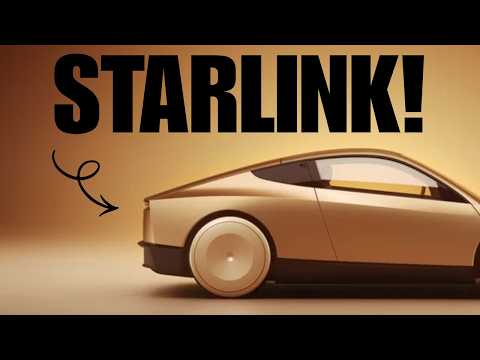
A leaked diagram confirms Cybercab starlink integration in the rear compartment of Tesla's upcoming robotaxi. This marks the first clear evidence of tesla robotaxi starlink hardware built directly into a production vehicle.
The image surfaced from Santana Row testing and shows the starlink tesla integration positioned where a traditional antenna array would sit. Tesla appears to be moving away from paying third-party carriers for connectivity and instead routing everything through its sister company.
Why this matters for cybercab connectivity
Connectivity on the Cybercab remains optional for core functions. Official clarification states the system is not required for safe operation or navigation. It primarily supports fleet management, customer service, and over-the-air updates. That keeps the vehicle fully autonomous even if the link drops.
This approach aligns with how Tesla already handles FSD compute. The car drives itself; the link simply adds convenience layers.
What it means for Tesla owners
If the same architecture reaches consumer vehicles, we could see an optional tesla starlink dish package that installs at the factory instead of the suction-cup setups many of us currently use. No more temporary mounts or exposed cables on the roof.
For those already running Starlink on their Teslas, the Starlink V5 dish specs post covers current portable options that could bridge the gap until factory integration arrives.
The deleted Cybercab video also hinted at future app features that would pair nicely with always-on satellite connectivity.
Bottom line
Tesla is quietly building starlink tesla integration into its next-generation platform. The Cybercab gives us the clearest preview yet of how cybercab starlink integration will likely expand across the lineup. Watch the full breakdown here: https://youtube.com/watch?v=P2xBI1Vkt3s
Jowua Tesla accessories — phone mounts, center consoles, and more
Some links are affiliate links that support the channel at no cost to you.