Debunking Common Tesla Myths: The Truth About EV Ownership
There's a ton of misinformation floating around about Tesla vehicles and electric vehicles (EVs) in general. Whether it's from friends, family, or online chatter, it can make your decision to buy a Tesla confusing. In this post, I'm breaking down some popular claims—based on a recent video of mine—and separating fact from fiction. Let's dive in and get you the real scoop on owning a Tesla.
Myth 1: You'll Have Range Anxiety Without a Home Wall Connector
Claim: "No range anxiety with a wall connector at home—you wake up to a full tank every day."
Truth: I 100% agree if you can install a wall charger or Level 2 charger at home or work. It's a game-changer. But here's the nuance: In urban areas like Los Angeles, Orange County, or much of California, Tesla Superchargers are everywhere—now including 325 kW V4 stations. If your daily errands align with Superchargers (grocery runs, shopping), you can absolutely get by without one at home. Still, a home charger is ideal for most.
Myth 2: Tesla Batteries Only Last 100-200k Miles
Claim: "Tesla batteries are engineered for longevity, typically lasting 300-500,000 miles."
Truth: Spot on. We've seen Model 3s and Model S taxis hit 300k+ miles with minimal degradation. Tesla backs this with solid warranties—like 150,000 miles on the Cybertruck battery. Don't sweat longevity.
Myth 3: Teslas Are Fire Hazards
Claim: "A Tesla is 8 times less likely to catch fire than a gasoline vehicle."
Truth: The stats check out based on data from sources like AutoinsuranceEZ, but I get the skepticism. There are far fewer EVs on the road, so gas car fires get more media attention. Bottom line: Teslas are statistically safer.
Myth 4: Road Trips with Tesla Are a Nightmare
Claim: "Superchargers are conveniently placed along routes at shops and rest stops. Average stops take 20-30 minutes."
Truth: Totally agree. Tesla's navigation plans your trip perfectly. Pro tip: Arrive at 10-20% charge, top up to 70-80%, and go. Charging from 80-100% takes as long as 20-60%, so skip it and hit the next station.
Myth 5: Charging a Tesla Costs Pennies
Claim: "Average U.S. price per kWh is $0.18. Charging a Model 3 costs just $14."
Truth: Sounds great, but it varies wildly. In California, it's more like $0.40-0.50/kWh off-peak. Do the math for your area—EVs still crush gas costs long-term, especially with home solar or time-of-use rates.
Myth 6: Teslas Suck in Winter
Claim: "Among the best to drive in winter—heat pumps, instant torque, and traction control."
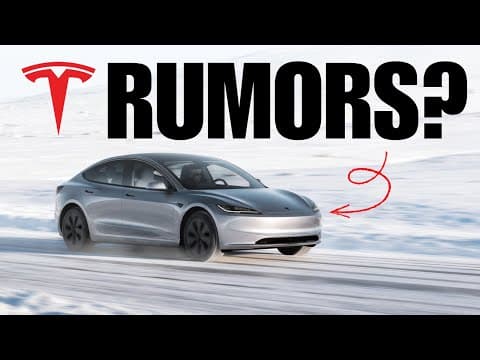
Truth: I've heard rave reviews from AWD owners in snow. Heat pumps are efficient, and regen braking shines. That said, if you get real snow, invest in all-weather or snow tires on dedicated wheels. AWD is a must.
Myth 7: Full Self-Driving (FSD) Can't Handle Long Trips
Claim: "FSD can drive you from point A to B anywhere in the U.S."
Truth: It's happening! Videos show coast-to-coast drives with zero interventions. FSD Supervised (v12+) is impressive—game-changing for road trips.
Myth 8: Tesla Maintenance Is Non-Existent (or Expensive)
Claim: "Only cabin air filters, tires, and wiper fluid needed."
Truth: Huge savings vs. gas cars—no oil changes, fewer fluids. Brakes last 200k+ miles thanks to regen. But watch tires (instant torque wears them faster) and insurance (higher due to repair costs).
Myth 9: Battery Replacements Cost a Fortune
Claim: "New batteries start at $12,500 for Model 3—not $30-40k."
Truth: Accurate. Official packs are affordable now, and refurbished ones from low-mileage wrecks go for ~$6k. Tesla's design makes swaps straightforward.
Wrapping It Up: Tesla Ownership Realities
Tesla isn't perfect, but the myths overestimate the downsides. You'll save on fuel, maintenance, and enjoy unmatched driving dynamics. Factor in your location, driving habits, and costs like tires/insurance for the full picture.
Pro Tip to Save More: Protect your interior with top-tier all-weather floor mats from 3W. They offer lifetime warranties and perfect fitment. Use promo code DENNIS35 for 35% off—link in my video description!
What myths have you heard? Drop a comment below, and subscribe to my channel for more Tesla truths. Drive safe!
DennisCW