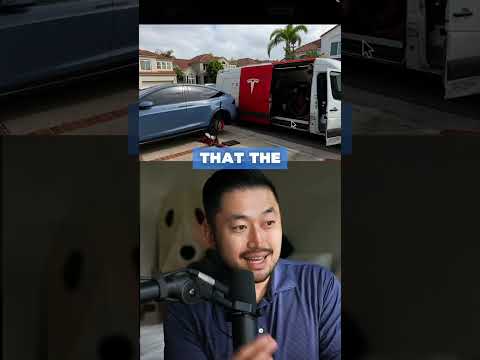
EV charger outlets fail far faster than most drivers expect when used for repeated plug-and-unplug cycles. That single fact is why the EV charger plug warning hardwire message keeps coming up in every real installation discussion.
The Real Problem With Plugged EV Chargers
Most 14-50 outlets were built for dryers and washers that stay plugged in for months. An EV charger gets yanked out daily, which wears the contacts and creates heat. I have seen burnt sockets that started with nothing more than normal daily use. The EV charger outlet failure stories are not rare edge cases—they are predictable.
Why Hardwire EV Charger Wins Every Time
Hardwiring removes the weakest link. No outlet means no loosening pins, no arcing, and no mystery heat buildup. That is the core reason behind every EV charger plug warning hardwire recommendation I give.
Step-by-Step: Safe Tesla Wall Connector Installation
- Confirm your panel has capacity and run the correct gauge wire straight to the charger location.
- Mount the Tesla Wall Connector directly to the wall and land the wires in the terminals—no plug, no socket.
- Have the circuit breaker sized and labeled correctly so the unit can pull its full rated power.
- Schedule the final inspection so your utility knows the install is code-compliant.
This process is exactly what the Tesla Wall Connector installation was designed for.
Pro Tips From Real Jobs
- Always oversize the wire a bit if the run is long; voltage drop kills charging speed.
- Ask your installer about local utility rebates before you buy—many will cover most of the Tesla Wall Connector cost.
- If you are set on a plug for some reason, at least choose a commercial-grade outlet rated for continuous EV duty, but I still steer everyone toward hardwire.
Check the full breakdown here: https://denniscw.com/blog/ev-charger-plug-warning-why-hardwire and the burnt outlet photos at https://denniscw.com/blog/ev-charger-burnt-wall-socket-why-hardwire.
When to Call a Pro
If your panel is older than 20 years or you are unsure about wire sizing, bring in a Tesla-authorized installer. Smart Plug EV — Tesla-authorized charger installer, ask for the Dennis Deal handles these jobs every week and knows the local permit shortcuts.
Bottom Line
Skip the outlet drama entirely. Hardwiring your charger is cheaper in the long run, safer, and faster. The EV charger plug warning hardwire advice exists because outlets simply were not made for daily EV use. Do it once, do it right, and forget about it.
Some links are affiliate links that support the channel at no cost to you.