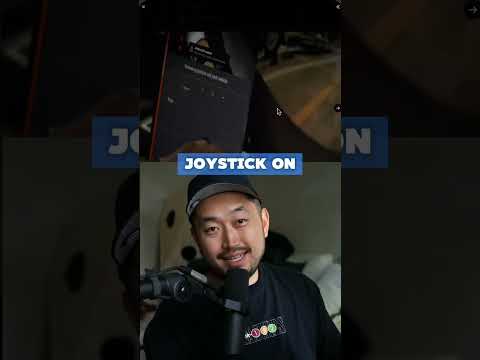
Tesla's training program for firefighters and police shows exactly how to access a stranded Cybercab and move it using an on-screen joystick when no steering wheel exists.
Training First Responders on Robotaxi Emergency Procedures
Tesla recently released footage of emergency crews practicing Tesla Cybercab door access rescue techniques. Without traditional handles, responders must use specific hydraulic tools and sequences to open the doors safely. The video also demonstrates an internal emergency mode that displays a joystick on the screen, allowing trained personnel to drive the vehicle short distances during incidents.
This approach makes complete sense for a steering-wheel-free design. The system likely requires a code or special sequence to unlock the control, keeping it out of passenger reach while giving professionals the tools they need.
Cybercab NHTSA Safety Standards and Federal Regulations
The National Highway Traffic Safety Administration announced it is developing new autonomous vehicle federal regulations specifically to support Robotaxi expansion. These updated Cybercab NHTSA safety standards will likely formalize emergency joystick controls and rescue procedures across the industry.
For current Tesla owners, these changes signal that the company is serious about scaling unsupervised autonomy while addressing real-world safety gaps. The same training principles could eventually influence how Model Y and Model 3 handle edge cases.
What This Means Going Forward
Owners should expect clearer protocols for vehicle recovery and roadside assistance as Robotaxi fleets grow. The joystick feature highlights Tesla's focus on practical solutions rather than waiting for perfect autonomy in every scenario.
Bottom Line
Tesla is already preparing emergency teams for the realities of wheel-less vehicles. The combination of practical rescue training and upcoming federal rules positions the Cybercab for smoother deployment.
Some links are affiliate links that support the channel at no cost to you.