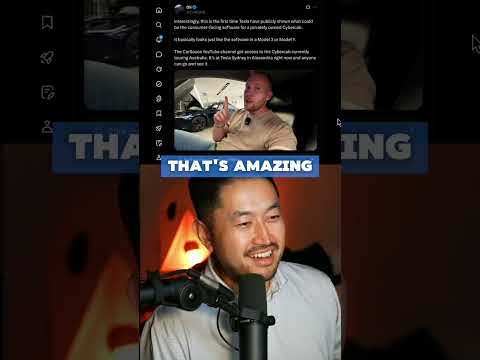
Tesla dropped the official first responder guide for the Cybercab this week, revealing exactly how emergency crews will interact with the upcoming robotaxi. The document outlines Tesla robotaxi safety protocols in detail, from rapid hazard light signaling to automatic immobilization after collisions.
Key Details from the Guide
The Cybercab stands out with its distinct light bars, gold-tinted body, massive wheel covers, and complete lack of side mirrors. Doors open via a B-pillar button, and the interior features just two seats plus a large landscape touchscreen. Most notably, it ships with the Cybercab no steering wheel and no pedals, confirming full reliance on Cybercab autonomy features.
In autonomous mode, the vehicle runs at SAE Level 4. When sirens approach, cameras and microphones detect the sound, the car yields, pulls over, flashes hazards rapidly, and opens a two-way audio link with Tesla support. After any safety-critical event like airbag deployment, the vehicle stops, parks, unlocks doors, and waits for a Tesla representative to disable autonomy.
First responders can also request temporary geofencing to keep other Cybercabs clear of an incident scene.
What This Means for Tesla Owners
These protocols show how far Tesla has pushed Tesla robotaxi safety protocols before wider deployment. The same sensor suite and decision logic will eventually trickle down to our Model Y and Model 3 vehicles. Watching the Cybercab operate without any manual controls makes you wonder how long until we see similar Tesla Cybercab specs appear in consumer cars.
For more leaked specs on range, dimensions, and performance, check out this breakdown.
Bottom Line
The leaked guide proves Tesla is treating the Cybercab like a true production robotaxi with clear safety procedures already in place. If the vehicle stays under $30k, it could become the most interesting Tesla yet. Watch the full video here: https://youtube.com/watch?v=9Iv2gw1rTmM.
Some links are affiliate links that support the channel at no cost to you.