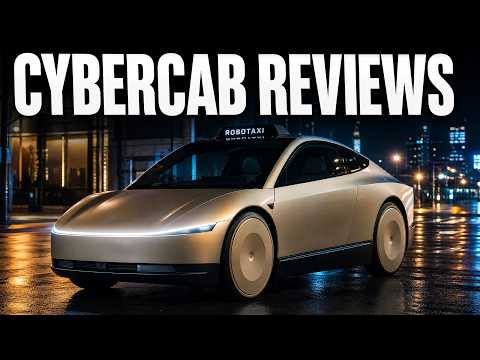
The Cybercab packs 293 miles of range into a tiny 47.6 kWh battery pack, half the size of a Model Y yet matching its range.
My quick verdict after digging through the latest Tesla Cybercab reviews is that this robo taxi delivers on efficiency and comfort in ways that make it stand out from the competition, even if the doors and minimal controls leave some questions.
Cybercab Efficiency Range Breakdown
Kyle's analysis stood out in these Tesla Cybercab reviews. The vehicle achieves 293 miles from just 47.6 kWh. Compare that to a Model Y's roughly 80 kWh pack for similar range. The smaller size, two-seat layout, and lightweight build around 3,000 pounds explain a lot of it. I love seeing Tesla push these limits because it hints at future models hitting 400 or 500 miles once costs drop. This kind of Cybercab efficiency range could reshape what we expect from EVs overall.
Cybercab Doors Review
The doors get plenty of attention in every Cybercab doors review. Reviewers note how they open incredibly close to obstacles without touching them. One tester said it felt like the door almost hit them, yet it stopped with precision that feels like magic. Plenty of people worry about these upward-opening doors versus traditional swings, especially around other cars or people. But that same precision makes me less concerned about real-world issues.
Cybercab Comfort Comparison
Dirty Tesla ranked several robo taxis and placed the Cybercab at the top for smoothness and comfort. It beat Zoox, Waymo, and Uber in his experience. Sar spent five hours inside and praised the ride quality despite the flat seats. He noted the lack of manual air circulation when stuck behind a truck, plus the inability to adjust the front of the seat cushion for better thigh support. Still, most riders in these Tesla Cybercab reviews call the seats surprisingly comfortable once you're in them.
Tesla Robo Taxi Screen Experience
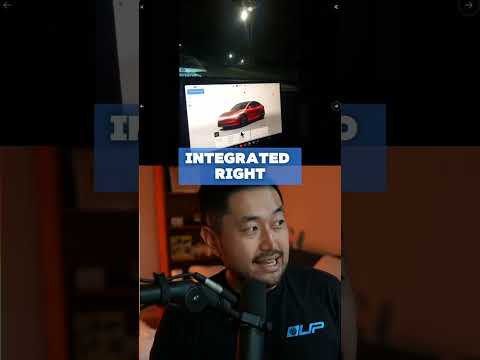
Elon highlighted the massive 22-inch screen for plugging in a PlayStation or Xbox. That aligns with Tesla's vision of safer, more enjoyable rides that give time back. Reviewers want more features on the Tesla robo taxi screen, like expanding the map view, on-command windshield cleaning, rear camera display, and destination changes without the app. The full-screen navigation works well, but those small upgrades would make long trips even better.
People can already sit in a real Cybercab at the Austin showroom. Check out more on the local rollout here: https://denniscw.com/blog/tesla-cybercab-austin-launch-50-cheaper-than-uber. It beats waiting for a ride just to test the cabin.
For deeper context on safety and ordering, see this update: https://denniscw.com/blog/tesla-cybercab-event-update-safety-ordering.
Pros and Cons
| Pros | Cons |
|---|---|
| Exceptional efficiency (293 mi from 47.6 kWh) | No manual air circulation control |
| Top-rated smoothness and comfort | Flat seat cushion lacks thigh support |
| Precise door operation | Destination changes require the app |
| Massive 22-inch screen for entertainment | Limited rear visibility without camera view |
| Lightweight two-seat design | Minimalist interior may feel basic |
The numbers and real-world feedback in these Tesla Cybercab reviews make a strong case for the vehicle as a practical robo taxi. Efficiency leads the way, comfort surprises testers, and the screen opens fun possibilities. The doors work better than the hype suggests once you see the precision in action.
Overall, the Cybercab looks like a winner for urban transport if Tesla nails the software tweaks reviewers want. I'm excited to see how it performs once more units hit the road.
Some links are affiliate links that support the channel at no cost to you.