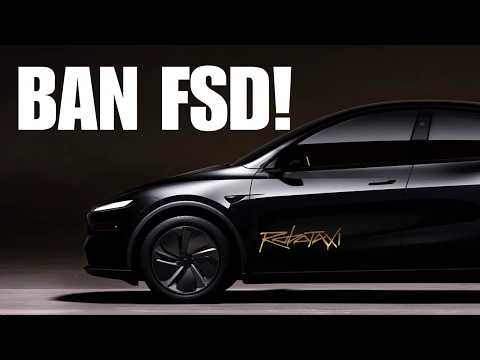
Trial lawyers have been fighting autonomous vehicles for nearly a decade because safer roads mean fewer crashes and smaller settlements.
The numbers are stark. Thousands of lives hang in the balance while the American Association for Justice, the main trial lawyers lobby, works to block AV legislation. They recognized the threat early: self-driving technology removes the human error that fuels most lawsuits. This is not speculation. It is documented opposition that pairs trial lawyers AV lobbying with Democrats worried about labor impacts, especially excluding heavy trucks from the rules.
The Real Safety Picture
Human drivers grow more distracted every year. Phones pull attention away constantly, and the data shows rising crash rates tied to that behavior. Self-driving systems, by contrast, never get tired or look away. They use constant camera and sensor input to react faster than any person. That shift directly threatens the business model of lawyers against self-driving cars who rely on injury cases.
I have watched Tesla FSD improve rapidly. Recent versions already handle complex city streets with fewer interventions than before. You can see the latest details in my post on the Tesla FSD v15 update features. Each step forward makes the technology harder to ignore and easier to regulate in its favor.
Counterarguments and Pushback
Critics say the technology is not perfect yet and that companies should face strict liability. That argument has merit on the surface. Early systems will still have edge cases, and oversight is necessary. Yet the same critics rarely compare the current human crash rate, which kills over 40,000 people a year in the US alone. Autonomous vehicles opposition often ignores this baseline while demanding zero tolerance for any new incident.
Some also worry about job losses for truck drivers. That concern is real and deserves transition plans. It does not, however, justify keeping dangerous manual driving on the roads when safer alternatives exist.
What This Means for Tesla FSD Legislation
Lawmakers are starting to notice the pattern. Self-driving safety lawsuits are being used as a delay tactic rather than a genuine safety discussion. Tesla FSD legislation needs to focus on performance data, not on protecting the lawsuit pipeline. The more miles driven autonomously without incidents, the clearer the case becomes.
I still believe full autonomy will arrive first in controlled fleets and then expand. The economic pressure from lower insurance costs and fewer injuries will eventually outweigh the lobbying. In the meantime, if you are driving a Tesla today, keeping the interior protected helps maintain value while you wait for the tech to mature. The 3W all-weather floor mats — 35% off with code DENNIS35 are the best option I have found for daily use.
The video that sparked this discussion is here: https://youtube.com/watch?v=dLfGhihyRy0.
Ultimately, lawyers against self-driving cars are betting against progress that saves lives. That position becomes harder to defend as the data keeps improving. The technology is not waiting for their approval, and neither should regulation.