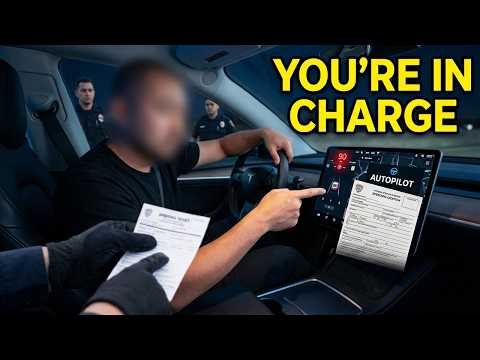
A driver pulled over for 64 in a 45 tried telling the officer that Tesla Autopilot was in control, yet the cop made it crystal clear the person behind the wheel gets the ticket every time.
The Traffic Stop That Sparked the Debate
The officer approached calmly and asked why the car was speeding. The driver immediately claimed full self-driving was handling everything. The response was blunt: the driver is still in charge and must produce a license. No amount of arguing about the car driving itself changed the outcome. The ticket was written, and the driver escalated to demanding a supervisor while insisting he was not at fault.
This exact scenario highlights the core issue with any Tesla Autopilot speeding ticket. Current systems remain supervised, so the person sitting in the driver seat carries Autopilot driver responsibility regardless of what the car is doing.
Why Courts Side With Officers
In Tesla ticket court the judge is not going to accept a "the car was driving" defense. The transcript shows the officer already anticipating this argument, noting he has stopped other Autopilot users and the speed limit does not magically become 65 because the software thought so. Responsibility stays with the licensed driver who chose to engage the system.
Tesla FSD Liability Realities
FSD speeding violation cases will only grow more common as adoption increases. Until unsupervised robotaxis arrive, the human in the seat remains legally accountable. When true unsupervised operation does reach the streets, companies like Waymo will absorb the liability directly because they control the vehicle. Tesla owners do not have that luxury yet.
I have covered the broader legal pushback against autonomy before in this post. Trial lawyers have every incentive to keep humans on the hook, which is why clear liability rules matter.
Counterarguments and Practical Advice
Some owners argue the car should handle enforcement like a robotaxi. That logic only works once the system is fully unsupervised and the manufacturer accepts regulatory responsibility. Today it simply shifts blame without changing the law.
If you ever face a similar stop, stay polite, hand over your license, and fight the ticket later with proper legal help rather than arguing on the roadside. The officer already explained it plainly: you are driving even when the car is in control.
Final Take
This incident proves the gap between marketing claims and real-world enforcement. Until regulators and courts treat FSD as fully autonomous, every Tesla Autopilot speeding ticket lands on the driver. That is the current reality, and pretending otherwise just wastes everyone's time.